Insight
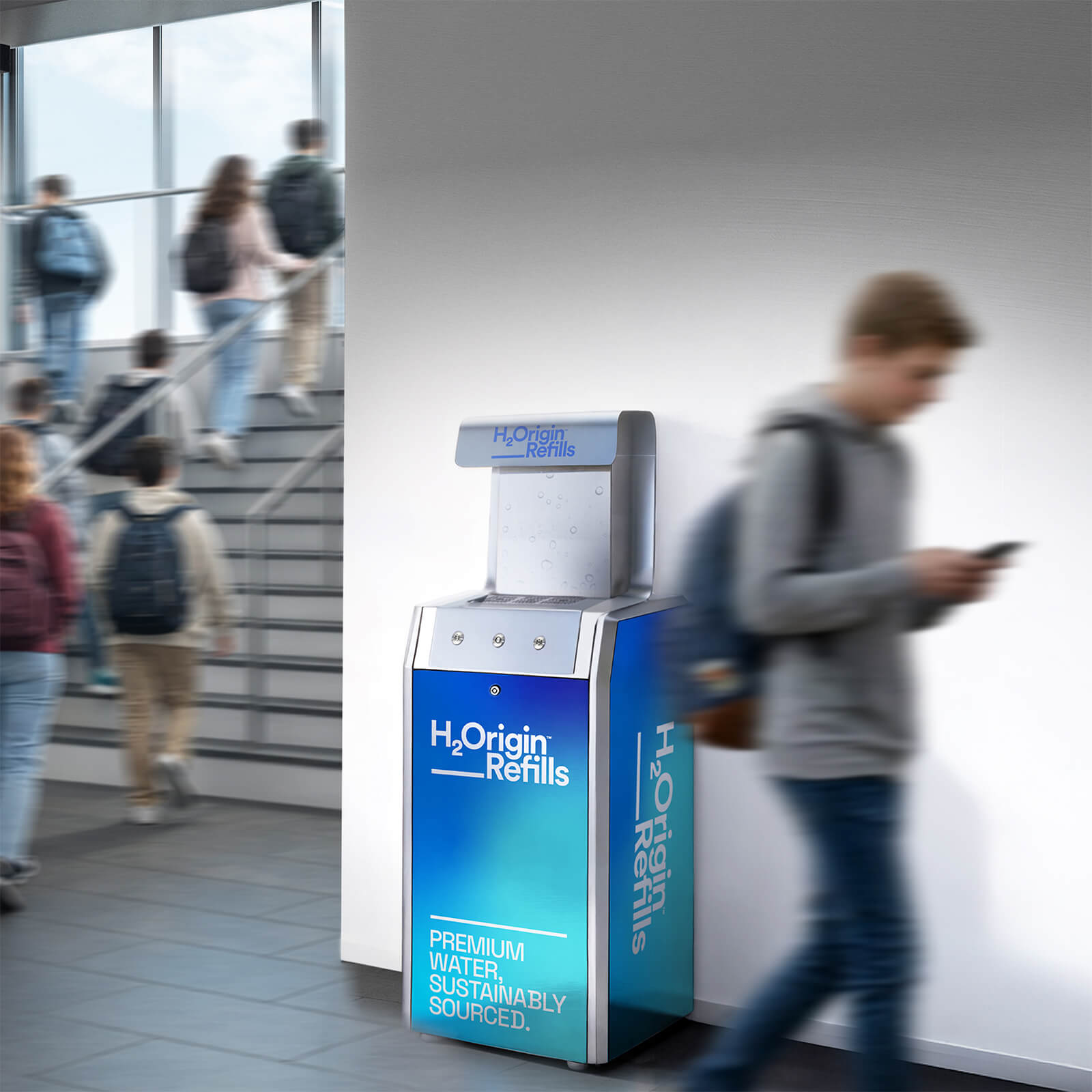
Schools and colleges are busy environments. Pupils, students, staff, and visitors move through the site throughout the day, and access to reliable drinking water matters.
For education settings, water refill stations can support several priorities at once. They can improve access to hydration, reduce reliance on single-use plastic bottles, provide a more visible sustainability initiative and help organisations track the impact of refilling through data.
H2Origin Refills works with partners in sectors including education, health, leisure, and travel to install smart, connected water refill stations where better public hydration is needed. The aim is simple: make refilling easier, more accessible and more measurable.
Schools and colleges are being asked to take sustainability seriously, but it has to work in the real world.
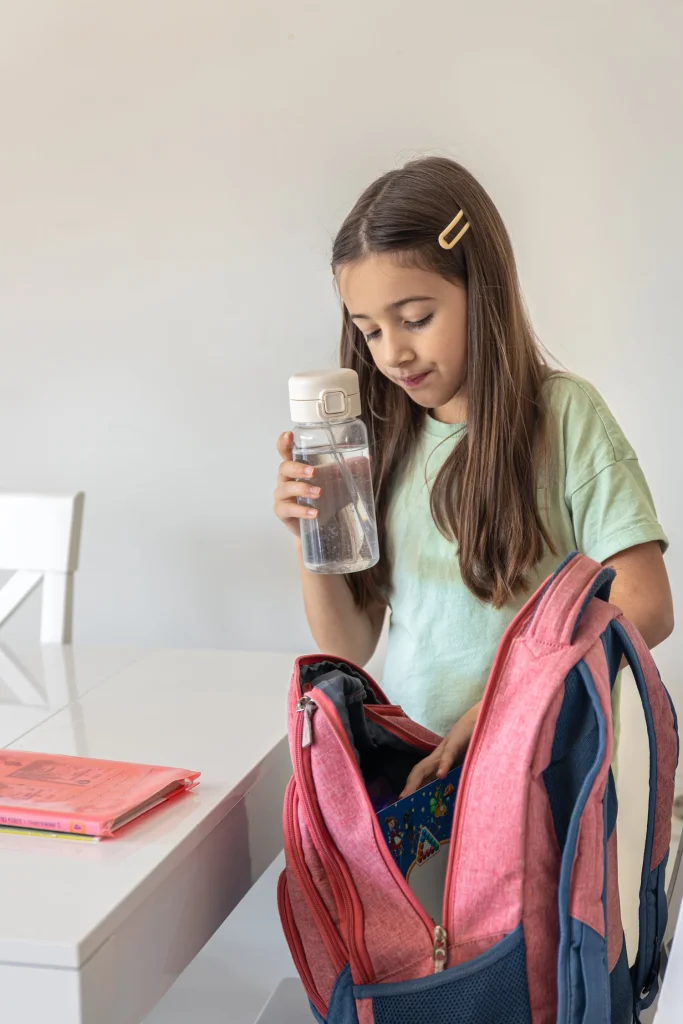
Most already encourage pupils and students to bring reusable bottles. The harder part is making sure they can refill them quickly and easily during the day.
If refill points are limited, slow, poorly located or unappealing, people are more likely to buy bottled drinks or go without. A well-placed refill station gives them a more convenient alternative.
For schools and colleges, that matters because access to drinking water is not only a facilities issue. It connects to pupil wellbeing, student experience, sustainability targets and the daily running of the site.
Education sites need refill points that can handle repeated use.
Demand often comes in waves: before lessons, at break, during lunch, after PE, around sports sessions and at the end of the day. A refill station needs to work in these peak moments, not only when the building is quiet.
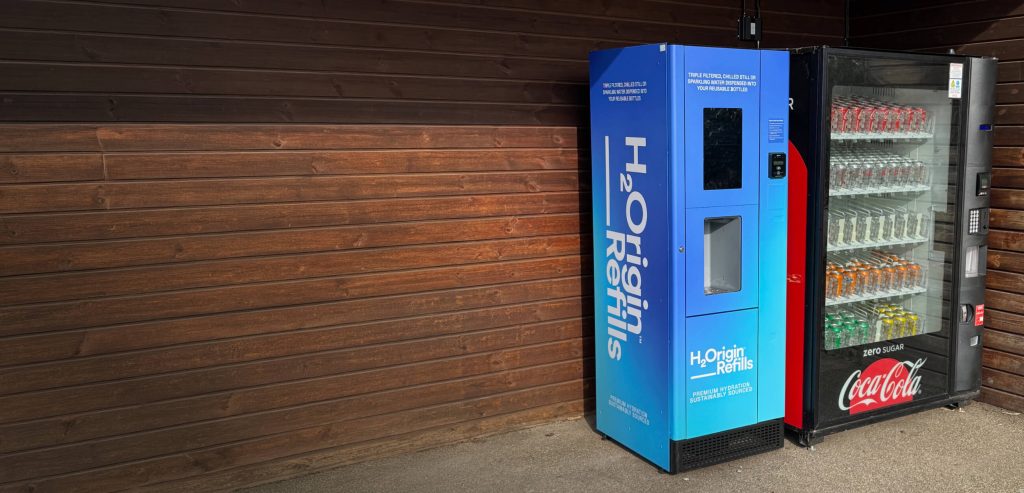
H2Origin’s site highlights a large chilling capacity, ensuring users have access to ice-cold, filtered water. It also refers to hygienic design, allowing larger bottles to be used without making contact with the dispense head.
For schools and colleges, those two features are important. The water needs to be appealing, and the station needs to feel safe and practical in a shared environment.
Many education settings want to reduce single-use plastic. A refill station gives that ambition a physical presence on site.
Rather than only telling pupils or students to use reusable bottles, schools and colleges can provide the infrastructure to do so properly.
This matters because behaviour change is easier when the better choice is visible and convenient. A refill station placed in a busy corridor, dining area, sports area or social space can help make refilling part of the normal routine.
H2Origin’s broader mission is to reduce the environmental impact of bottled water by encouraging the use of refillable bottles and reducing the need for single-use plastic bottles.
One of the strongest parts of the H2Origin offer is the data.
The site states that every station captures live usage data, plastic savings, and financial savings, providing partners with transparent ESG reporting.
For schools and colleges, this can be valuable. It means a refill station is not just an environmental gesture. It can provide evidence.
That data could support:
It gives education leaders something concrete to show when they talk about sustainability.
Placement is important.
A refill station should be easy to find, easy to access and located where people naturally pass through the site.
Potential locations include:
The aim is to reduce friction. If people have to search for water, they are less likely to refill. If the station is visible, refilling becomes easier to encourage.
A refill station works best when it is part of a wider behaviour change campaign.
Schools and colleges can support usage by introducing the station through assemblies, posters, tutor-time messages, sustainability campaigns, student ambassadors, or reusable-bottle reminders.
The messaging does not need to be complicated. It can be as simple as:
Refill more. Waste less. Stay hydrated.
Because H2Origin stations can provide usage and environmental impact data, schools and colleges can also show progress over time. That gives students a reason to keep engaging.
Before installing a water refill station, education leaders should consider:
These questions help ensure the station is not just installed, but properly used.
Water refill stations can help schools and colleges make hydration and sustainability more practical.
They give pupils, students and staff easier access to filtered, chilled water. They support the move away from single-use plastic. They also provide data that helps educational settings demonstrate real impact.
For schools and colleges looking to improve their facilities and make sustainability more visible, refill stations are a practical place to start.
H2Origin Refills provides smart connected water refill stations for education, health, leisure and travel settings. To discuss a suitable location for your school, college or education site, get in touch with the team.
Yes. Water refill stations can help schools and colleges provide easier access to drinking water while supporting sustainability and reducing reliance on single-use plastic bottles.
H2Origin stations provide consistently chilled, filtered water, sourced from a mains connection.
Yes. By making it easier to refill reusable bottles, refill stations can help reduce reliance on single-use plastic bottled water.
H2Origin stations capture live usage data, plastic savings and financial savings, helping partners with transparent ESG reporting.
They should be placed in visible, high-footfall areas such as dining spaces, corridors, sports areas and social spaces where pupils, students and staff naturally pass during the day.